Antitrust laws were established to protect trade and commerce from abusive practices. Violations can include price-fixing, price discrimination, restraints, and monopolization.
Miami · Fort Lauderdale · All Across Florida · Available 24/7 · Hablamos Espanol

Miami Identity Theft Attorney

Identity theft, otherwise known as identity fraud, is a white-collar crime. It’s become prevalent over the last 20 years with the explosion of the internet. South Florida is the epicenter of identity theft-related offenses, and numerous criminal enterprises are involved in identity theft. A Miami identity theft lawyer can help.
If you have been charged with identity theft in Florida, you must contact an experienced Miami criminal defense lawyer as soon as possible to protect your rights. Even if you are only suspected of identity theft, it is critical to get legal help as quickly as possible — law enforcement officials are known to subpoena evidence and conduct surveillance long before an official arrest is made.
Identity theft can be charged in state or federal court. Often, identity theft charges are just one count in a more significant Racketeering indictment. If you live in Miami or the greater South Florida area and are facing identity theft charges, Brian Kirlew, Esq., can help you prepare your defense strategy. Contact us immediately for a free phone consultation at 305-521-0484.
What is Identity Theft?
Identity theft occurs when a person uses the personal identifying information of another individual, without their consent or authorization, for some fraudulent purpose, usually for economic benefit.
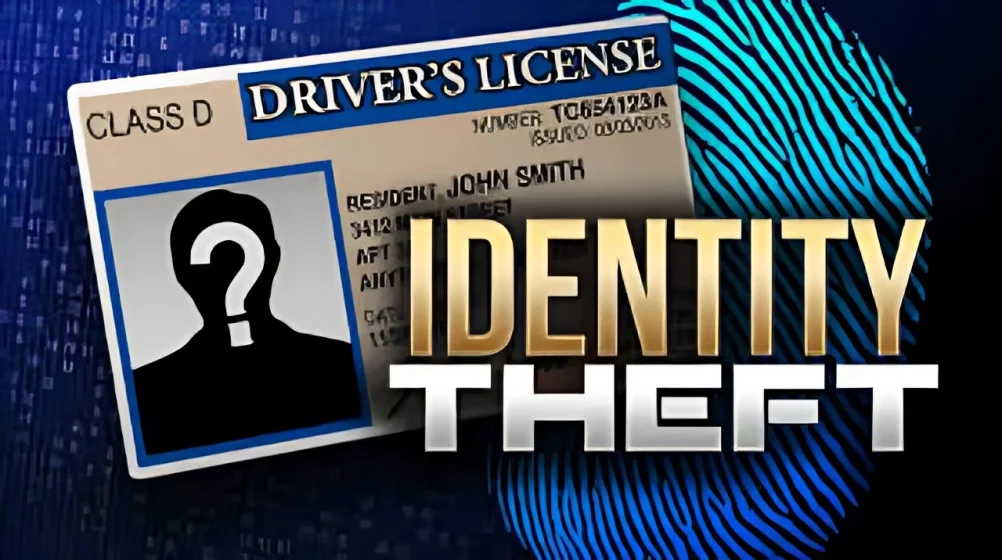
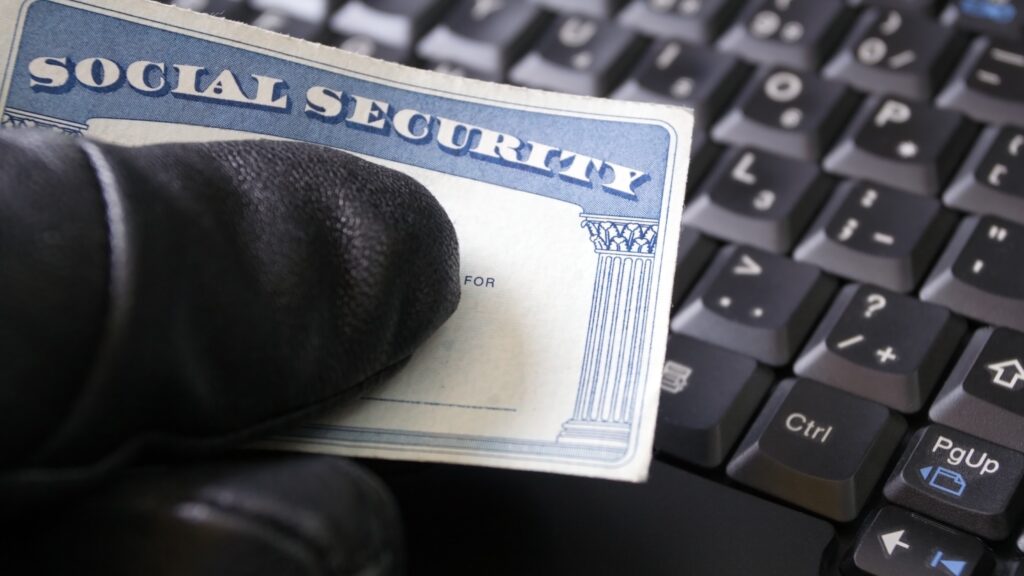
The most common types of identity theft are when someone steals your purse or wallet and takes your personal identification documents such as your driver’s license or social security card, uses these to open new accounts in your name, establishes credit cards, and maxes them out on an extravagant spending spree that may take years to pay off. The person may also get their hands on the blank checks you use to pay bills and cash them at retail stores. Other common means of identity theft occur at a doctor’s office, where a staff member steals your personal information and sells it to a third party who applies for credit cards and loans in your name. Identity theft also commonly occurs at gas stations where a skimmer is used to obtain the credit card information of a person, and a duplicate “dummy card” is created with that information.
Digital identity theft is also on the rise. Cybercriminals now use data breaches, phishing scams, and ransomware attacks to acquire personal data, login credentials, and financial records. Once in possession of this information, they may open fraudulent bank accounts, file false insurance claims, or engage in illegal cryptocurrency transactions. Victims of these advanced methods may not even realize their identity has been compromised until significant damage has been done. These cybercrime tactics often overlap with other financial fraud schemes seen across Florida.
Other Factors
You can also be a victim of identity theft by giving away too much personal information online, which could allow strangers to apply for loans in your name; create false profiles on social networking sites; order items from merchants using your account number, or file taxes using your Social Security number. Identity theft is considered a serious crime, with strict penalties under Florida law. You can review the specific legal definitions and consequences of identity theft in Florida by visiting this official statute link.
Another growing form of identity theft is “synthetic identity theft,” where criminals combine real and fake information, like pairing a real Social Security number with a fictitious name, to create a new, fraudulent identity. This synthetic identity can be used to commit numerous financial crimes, making detection and enforcement more challenging.
Penalties for Identity Theft in South Florida
If you are found guilty of identity fraud in Miami, Florida, you could face the following penalties:
- If the crime is charged as a third-degree felony, up to five years in prison and/or up to five years’ probation, and an additional $5,000 in fines.
- If the crime is charged as a second-degree felony, up to fifteen years behind bars and fifteen years’ probation along with $10,000 in fines.
- If the crime is charged as a first-degree felony, up to thirty years behind bars, along with $10,000 in fines.
- Possession of personal identification of 20 persons or more, and theft of $50,000 or more, is a first-degree felony punishable by up to 30 years in prison with a 5-year minimum mandatory sentence.
- Possession of personal identification of 30 persons or more, and theft of $100,000 or more, is a first-degree felony punishable by up to 30 years in prison with a 10-year minimum mandatory sentence.
As with any felony conviction, you will lose certain rights and have collateral consequences with an Identify Theft conviction. You will lose your right to possess a firearm and vote if convicted. Prospective employers, landlords, and HOAs may see your criminal history in a background check, making finding employment or housing more difficult.
Additionally, a conviction for identity theft may expose the defendant to federal charges under the Identity Theft and Assumption Deterrence Act or the Computer Fraud and Abuse Act. If federal prosecutors take over a case, the potential penalties can become even more severe, including mandatory minimum sentences and large restitution payments to victims. Florida’s sentencing guidelines for fraud crimes consider both monetary loss and victim count.
Aggravating Factors
Judges in South Florida often consider aggravating factors such as the number of victims, the amount of money stolen, and whether the defendant has a prior record of fraud-related offenses. These elements could lead to sentencing enhancements or the stacking of charges across multiple jurisdictions.
Insight Into Local Identity Theft Statistics
Miami has consistently ranked among the top U.S. metropolitan areas for identity theft incidents. In the first half of 2024, the Miami-Fort Lauderdale-Pompano Beach metro area reported 25,434 cases of identity theft, which gave the city the highest per capita rate nationwide during that period.
Throughout Florida, the most prevalent form of identity theft reported was credit card fraud, with 214,607 cases nationwide in the first half of 2024, marking a 6% increase from the previous six months.
What to Do if You Experience Identity Theft
If you experience identity theft, act quickly to minimize the damage. Start by placing a fraud alert on your credit reports through one of the major credit bureaus, which will notify the others. Then, obtain and review your credit reports for any unfamiliar accounts or activity. Report the theft to the Federal Trade Commission (FTC) at IdentityTheft.gov and file a police report with your local law enforcement.
Close or freeze any affected accounts and notify banks, credit card companies, and any businesses where your information may have been misused. Consider placing a credit freeze to prevent new accounts from being opened in your name. Monitor all financial accounts and credit activity closely for further suspicious activity. You may also want to contact the IRS to ensure no fraudulent tax returns are filed using your Social Security number.
Document every step you take, including dates and contacts. If the situation is complex or you’re facing legal or financial fallout, consider consulting an attorney who has experience in identity theft or consumer protection law.
Contact Us Today for a Phone Consultation
We’ll set up a phone consultation to get to know you and your circumstances.
Defenses Against Identity Theft Charges
If you are facing identity theft charges, it is important to know that there are several possible defenses available. Each case is unique, but your attorney may explore one or more of the following strategies:
- Lack of intent: The prosecution must prove that you willfully and knowingly committed fraud. If the identity was used by mistake or without malicious intent, charges may be reduced or dismissed.
- Consent: A valid defense could be if you had permission from the alleged victim to use their information. Documentation or testimony from the person involved could support this argument.
- Insufficient evidence: Identity theft cases often rely on complex electronic evidence and financial records. If the chain of custody was broken or evidence was improperly obtained, your attorney may move to suppress it.
- Mistaken identity: In some cases, defendants are falsely accused based on surveillance footage, hacked accounts, or shared devices. Your attorney can introduce alibi witnesses or forensic professionals to demonstrate your innocence.
Having a knowledgeable attorney who understands these legal nuances is crucial to building an effective defense.
The Importance of Early Legal Representation
Suppose you have been charged with identity theft, conspiracy, racketeering, or another offense related to identity theft in South Florida. In that case, it is essential to reach out to a white-collar attorney who can help. Even if you don’t think you did anything wrong, it is better to get legal counsel to protect your rights.

FAQs
Q: How Much Does a Lawyer Cost for an Identity Theft?
A: The cost of hiring a lawyer for an identity theft case varies based on the complexity of the charges, the attorney’s experience, and the location of the case. Some lawyers may charge a flat fee, while others bill by the hour. Cases involving federal charges or extensive investigations often cost more. It’s important to consult with multiple attorneys to compare services and find someone who is experienced in white-collar crime and identity theft defense.
Q: Can You File a Claim for Identity Theft in Florida?
A: Yes, you can file a claim for identity theft in Florida. Victims may file a civil claim against the offender to recover damages for financial losses, emotional distress, and other harm caused by the theft. Florida law also allows victims to seek punitive damages in certain cases.
In addition to civil action, identity theft is a criminal offense, and the perpetrator can face prosecution. Consulting with an experienced attorney is essential to protect your rights and pursue appropriate legal remedies.
Q: What Type of Lawyer Do I Need for Identity Theft?
A: For identity theft, you need a criminal defense attorney experienced in white-collar crimes or cybercrime. These lawyers understand how to navigate charges involving fraud, data breaches, and unauthorized use of personal information.
If you’re a victim, a civil attorney with experience in consumer protection and privacy law may help you file a claim for damages and clear your name. Some lawyers may be well-versed in both criminal defense and identity theft, offering comprehensive legal support for these complex cases.
Q: How Much Does It Cost to Recover From Identity Theft?
A: Recovering from identity theft can be costly, depending on the extent of the damage. Victims may face expenses for legal fees, credit monitoring services, lost wages, and repairing their credit reports. In some cases, regaining control of stolen accounts or disputing fraudulent charges adds to the financial burden. While some services are free, others, such as hiring a lawyer or subscribing to identity protection plans, can lead to significant costs over time.
Act Quickly to Defend Your Rights — Contact the Kirlew Law Firm NOW!
It is essential to know your rights if you have been accused of identity theft in South Florida. You have the right to remain silent and have a lawyer present at all stages of a criminal investigation, not just in court. If a law enforcement officer contacts you or arrests you, tell the officer that you are invoking your fifth amendment rights to remain silent and to contact your lawyer Brian Kirlew, Esq.
Our team understands the pressure and uncertainty that comes with being charged with a white-collar crime. We know how to dissect complex paper trails, cross-examine government witnesses, and challenge digital forensics presented by prosecutors.
At the Kirlew Law Firm, we have a wealth of knowledge and experience in Identity Theft cases and white-collar crimes in general. We will put their expertise to your benefit. Call (305) 521-0484 or contact us online to get started on your defense.
This form of white-collar crime is increasingly common as more people use computers, phones, and other internet-enabled devices to commit acts of fraud, hacking, extortion, and theft.
Thieves take personal information to access banking and financial accounts, make purchases, open utility accounts, or steal tax refunds. In some cases, an identity thief may even use a false identity during an arrest.
This white-collar crime occurs when a thrift utilizes a stolen credit card or other information from that account to make unauthorized purchases. In some cases, they may use the stolen information to take out cash advances against the account.
The illicit selling of fake goods or services over the phone. Many phone scams are framed as a giveaway, or free offer in exchange for sensitive information, like access to banking or credit card accounts.
Often paired with another form of fraud, bankruptcy fraud can be the concealment of assets to prevent forfeiting them, filing incomplete or false forms, filing multiple times in different locations using fake or forged documents, and bribing of court-appointed trustees.
Largely committed by organized crime groups, this form of fraud includes performing unnecessary procedures to bill an insurance company, billing for services that were never rendered, and billing every step of one procedure as if they were individual procedures.
Environmental law makes actions like the illegal disposal of waste, improper storage of hazardous materials, or failure to comply with EPA and state regulations illegal.
An act committed to defraud an insurance company is considered a white-collar crime. This could include attempting to obtain benefits or advantages that an individual is not entitled to or when an insurer denies benefits that someone is due.
One of the most common forms of fraud, mail fraud is when the USPS or private carrier is used to commit a crime of deceit. This could be to obtain money or to sell and distribute illicit goods.
These forms of fraud start with a scheme to steal or obtain financial information by using false representation or promises of goods and services in return.
Crimes committed through extortion and coercion are considered racketeering. Generally, a racketeer obtains money or goods from someone using intimidation tactics or force.
Largely connected to federal government contracting or federally-funded programs, government fraud might involve public housing, agricultural programs, corporate subsidies, and bribery.
This form of white-collar crime is the deliberate failure to pay your taxes or the underpayment of the taxes you owe. It can be underreporting of income, overreporting of deductions, or improperly claiming tax credits and exemptions.
Also called investment fraud, securities fraud involves misrepresenting the information that investors use to make financial decisions.
This is the trading of the stock or securities of a public company that is based on non-public information about the company. This is the profiteering of information based on a company’s assets.
A bribe is the giving or receiving of something of value in order to influence the actions of another person or group.
The major focus of the FBI, public corruption covers a variety of crimes, including the violation of federal law by public officials, fraud related to the procurement, contracts, and funding of federal programs, and other crimes that are related to local, state, and federal governments.
By withholding assets, funds, or goods from an employer or business partner, you are committing an act of embezzlement.
Generally sponsored by foreign entities or outside corporations, economic espionage can target the U.S. government, U.S. companies, or other establishments and institutions. Economic espionage is the unlawful obtaining of financial information.
Trade secrets are the information or assets that give a company an advantage over others in the market. The theft of these assets is when someone uses this information without consent of the business.
Contact a Miami White Collar Criminal Attorney today!
If you are being investigated for a White Collar crime at the state or federal level (or both), the sooner you get a qualified attorney on your side to protect your rights, the better. Brian Kirlew, Esq. is experienced and skilled at handling these complex and sensitive matters, and is here to represent you in court. Our criminal defense attorneys in Miami are proud to offer you a phone consultation to ensure that we can best serve you. Contact us immediately to get started.

Committed to aggressive, personalized legal representation for criminal defense, white collar, federal, and family law matters throughout Florida since 2012.
Ft. Lauderdale Satellite Office
888 S. Andrews Ave
Suite 201
Fort Lauderdale, FL 33316
© 2026 The Kirlew Law Firm, PLLC · 2103 Coral Way, Suite 401, Miami, FL 33145
Disclaimer | Site Map | Privacy Policy. Digital Marketing By: 
*Images are obtained under license from Canva and other third-party stock image providers, with attribution included where required.