
Fort Lauderdale Drug Manufacturing Lawyer
Fort Lauderdale Drug Manufacturing Attorney
Producing illegal substances is a serious crime considered under the general category of drug trafficking. If you’ve been accused of manufacturing drugs, it doesn’t matter whether it was marijuana or methamphetamines. You need a skilled Fort Lauderdale drug manufacturing lawyer to help you fight the charges.
If you’re looking for an experienced Fort Lauderdale criminal defense lawyer, look no further than The Kirlew Law Firm, PLLC. Our team has been in practice for years, and in that time, we have successfully defended countless clients facing drug manufacturing charges. Let us leverage our knowledge of the law and skill in the courtroom to improve your chances of a successful outcome in your case.
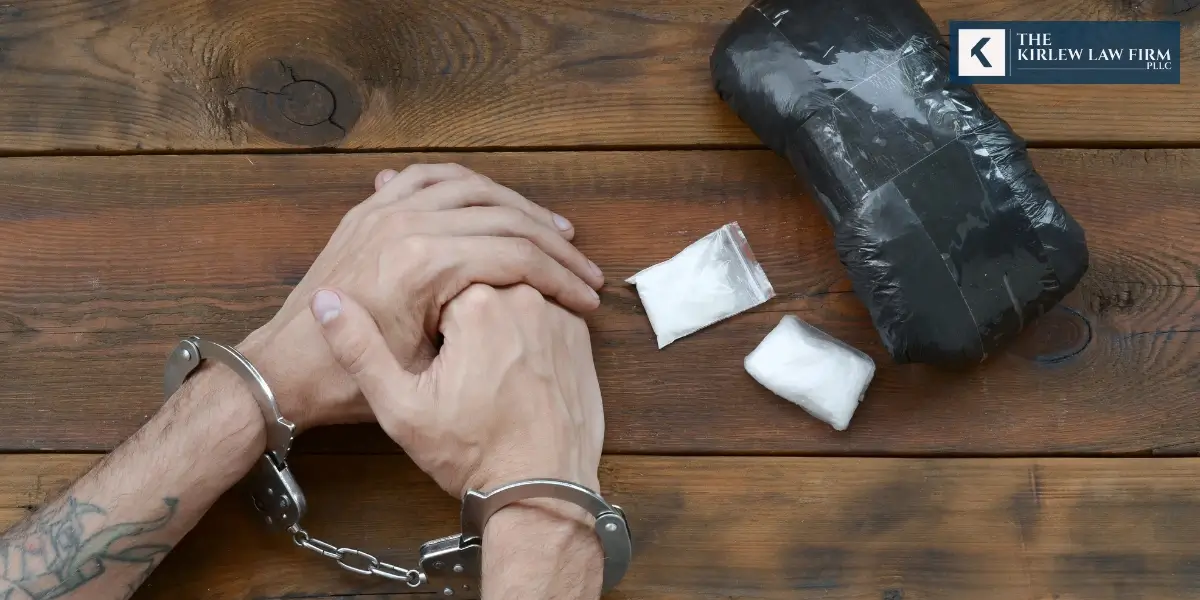
Hire a Drug Manufacturing Lawyer
In 2023, there were 7,010 drug overdose deaths in Florida, amounting to 31 fatalities for every 100,000 residents. This makes Florida fourth in the nation for drug overdose deaths. In 2021, 320 people died in Fort Lauderdale from the use of fentanyl alone. While many of the drugs that wind up causing fatalities across Florida are imported from abroad, plenty of them are also manufactured closer to home.
You don’t have to cause the death of another person to get in serious trouble for drug manufacturing. Just being caught with the paraphernalia required to make or grow controlled substances can leave you facing serious legal trouble. If you’ve found yourself in this position, hire a drug manufacturing lawyer right away. Your lawyer can help you:
- Understand the severity of your charges
- Analyze the prosecution’s case
- Come up with an alternative theory of the crime
- Gather evidence and witness statements to support your case
- Negotiate a plea deal on your behalf, if applicable
- Defend your rights in court if you decide to go to trial
Having a skilled Fort Lauderdale drug manufacturing attorney on your team can make a large difference in the 17th Judicial Circuit Court of Florida.
Defining Drug Manufacturing in Florida
Florida has extremely strict drug manufacturing and cultivation laws. Growing a single marijuana plant or being caught with certain chemicals required to manufacture other drugs can leave you facing serious legal consequences.
Drug manufacturing in the Sunshine State can be defined as the act of creating a drug through chemical means. Drug manufacturing can involve the synthesis of illegal substances using chemicals or the natural extraction of drugs from other illegal substances, including marijuana. Making methamphetamines is considered drug manufacturing, but so is extracting concentrates from cannabis.
Penalties for Drug Manufacturing
The penalties for drug manufacturing vary depending on the controlled substance in question and how much of it you are caught with. Florida defines the penalties for drug manufacturing based on which schedule the substance belongs to:
- Schedule I or II substances. Manufacturing Schedule I or II substances is considered a second-degree felony punishable by a sentence of up to 15 years in prison and fines of up to $10,000. Examples of Schedule I and II drugs include heroin, LSD, methamphetamine, and cocaine.
- Schedule III, IV, or V substances. It’s a third-degree felony to manufacture Schedule III, IV, or V substances. This crime is punishable by up to five years in prison and fines of up to $5,000. Examples of Schedule III, IV, and V drugs include ketamine, benzodiazepines, and anabolic steroids.
- Fentanyl. Florida considers fentanyl manufacturing a first-degree felony punishable by up to 30 years in prison with a mandatory minimum sentence of three years.
Exact fines and prison terms are decided upon on a case-by-case basis by the courts.
Marijuana Production in Florida
While the medical use of marijuana is legal in Florida, recreational use remains illegal, and it’s against the law to grow marijuana plants without a license. Cultivating 25 or fewer marijuana plants is a felony punishable by up to five years in prison and fines of up to $5,000, as is the manufacturing of marijuana concentrates. Cultivation of more than 25 plants is a felony punishable by up to 15 years, or up to 30 years if a minor lives in the home.
FAQs
What Is the New Drug Law in Florida?
The new drug law in Florida focuses primarily on increasing the penalties for fentanyl-related offenses, targeting fentanyl dealers and producers. Among other provisions, the law makes it possible to charge anyone who sells or distributes fentanyl that causes another person’s death with murder and imposes stricter mandatory minimum prison sentences on trafficking offenses.
What Is Statute 893.13 in Florida?
Statute 893.13 in Florida outlines the penalties for drug possession, distribution, and manufacturing. Under this law, most trafficking offenses are considered felonies, as are many possession offenses. However, possessing up to 20 grams of cannabis is considered a misdemeanor under Florida law. Statute 893.13 also outlines penalties for drug crimes and defines these crimes.
What Is Considered Illegal Manufacturing of Drugs?
Activities considered illegal manufacturing of drugs include the unauthorized production, compounding, or processing of controlled substances. The propagation of marijuana is also considered illegal manufacturing, as is the fabrication of materials like hash and wax. Illegal manufacturing can take place directly via chemical synthesis or indirectly via extraction from natural substances.
What Makes a Drug Illegal?
What makes a drug illegal is its presence on a controlled substances list. These lists are put out by the federal and State governments and outline drugs of different categories that could cause a potential for abuse or a risk to public health. The drugs are categorized according to schedules, with lower schedules having a greater risk of abuse and fewer accepted medical uses.
Fort Lauderdale Drug Manufacturing Lawyer
If you’ve been accused of producing controlled substances, you should take the situation very seriously and hire a Fort Lauderdale drug manufacturing lawyer right away. The team here at The Kirlew Law Firm, PLLC, can help. We have been representing clients facing similar charges for years, and we’re intimately familiar with drug manufacturing laws. We can help you with your drug manufacturing case, too. Contact us to schedule an initial consultation today.

© Copyright 2026 The Kirlew Law Firm. All rights reserved.
Digital Marketing By 