
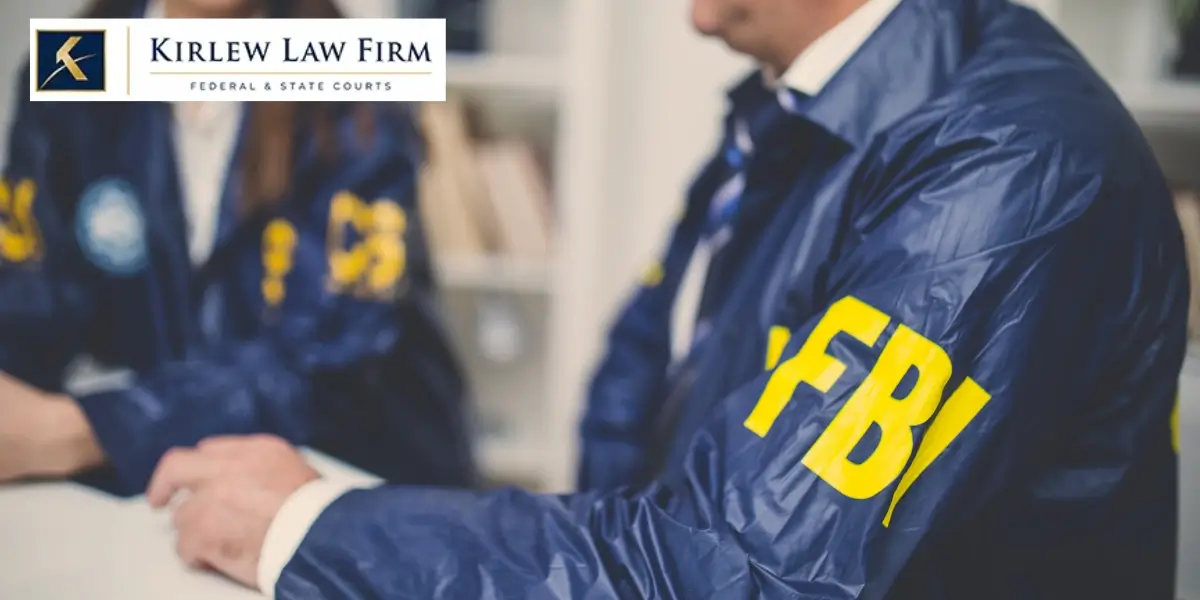
For many business owners, the Paycheck Protection Program provided important financial support during a very uncertain time. Years later, however, some borrowers are finding themselves under federal scrutiny over information they submitted in their applications or how they used the funds. If you’re facing allegations, one of the most important questions is how courts apply PPP loan fraud sentencing guidelines and what factors could influence the penalties.
Anyone who learns they’re being investigated should take the situation seriously from the beginning. Working with a PPP loan fraud attorney in Miami as soon as possible can help identify defenses, protect constitutional rights, and potentially reduce the penalties that could be imposed if charges are filed.
About Us
At The Kirlew Law Firm, PLLC, we provide aggressive, results-driven criminal defense for those who are dealing with serious allegations in federal court. Over the years, our team has handled more than 5,000 criminal cases, giving us deep insight into how prosecutors build their arguments and how those cases are fought in court.
Our attorneys bring decades of combined legal experience to every matter we take on. That experience matters when the stakes are high, and the government is pursuing significant penalties. We know how to evaluate the evidence, identify weaknesses in the prosecution’s case, and develop defense strategies tailored to each client’s situation.

Federal PPP Fraud Sentencing Overview
PPP loans were rolled out as emergency relief during the pandemic, with the goal of helping small businesses keep employees on payroll while covering basic costs like rent and utilities. The government distributed $800 billion across 11.8 million loans, but now it’s estimated that over $200 billion was stolen through fraudulent activities.
To get approved, applicants had to certify that they met the eligibility requirements and provide payroll and business information that supported the loan amount that they were requesting. Because the program was designed to move quickly, many applications were processed with limited review, which is something that often gets revisited later in federal loan fraud cases.
When the government finds the time to review these loans, the focus usually shifts to whether the information on the application matched the rules of the program. That’s where federal loan fraud laws come into play, and where a loan fraud case often begins to take shape. Investigators compare what was certified in the application against tax records, payroll data, and how the funds were actually used.
In practice, these cases tend to depend on how the paperwork is interpreted after the fact. That means that what might have seemed straightforward during the application process can look very different in hindsight once federal agencies begin reviewing the details.
Factors That Can Affect Sentences in PPP Loan Fraud Cases
In a PPP-related loan fraud case, the sentence a person receives always depends on the specific circumstances of the case, not just the charges that were filed. Judges consider several factors when determining an appropriate penalty, and those factors can either increase or decrease your sentencing. Those factors include:
- The alleged amount of the loss, in addition to how much money was involved
- The intent and whether the government can prove that the conduct was intentional
- Criminal history and any prior convictions
- Acceptance of responsibility for the alleged conduct
- Restitution efforts or the repayment of funds
- The defendant’s role in the alleged scheme
- Cooperation with investigators during the case
- Any aggravating factors, including falsified documents or multiple applications
The outcome of a loan fraud case often depends on more than the government’s initial allegations. Because loan fraud laws provide for a range of penalties, identifying any mitigating factors and challenging disputed facts can play an important role when it comes to reducing any potential consequences.
Recent Cases and Outcomes in Florida
Florida’s federal courts have handled a steady number of PPP fraud prosecutions, and some recent outcomes show a consistent pattern: judges are imposing real prison time, even in cases involving first-time offenders. A few recent cases and their outcomes include:
- In the Southern District of Florida, a defendant who recruited others and submitted falsified PPP applications using fake tax returns was sentenced to 60 months in federal prison. The court emphasized the organized nature of the scheme and the use of fabricated documents.
- In another case, a former Broward Sheriff’s Office deputy received seven months in prison after submitting false income information for multiple PPP loans tied to personal businesses.
- A Central Florida defendant who created fake payroll records, including fictitious employees, was sentenced to 12 months and one day in prison after pleading guilty to wire fraud involving PPP funds.
- In a larger conspiracy involving millions in fraudulent PPP loans, multiple South Florida defendants received sentences ranging from 15 months to over 5 years, depending on their role and the total loss attributed to them.
Across these cases, the courts have consistently treated PPP fraud as serious federal criminal conduct, as opposed to approaching them with the mindset of paperwork mistakes. Under federal loan fraud laws, even a single misrepresentation can carry major consequences if prosecutors can show intent.
What stands out most is how much sentencing depends on the defendant’s behavior, beyond the application itself, like the fabrication of documents, the number of loans involved, and whether the defendant took on a leading role in the scheme. These factors can often be the difference between a short sentence, a lengthy term in federal prison, or a negotiated outcome in a loan fraud case.
How Early Action Reduces Sentences
In PPP fraud investigations, timing can play a much bigger role than many people expect. What happens early in the process, before charges are filed in the first stages of a case, can have a very strong influence on how prosecutors build their narrative and how a judge views that narrative later on. Under federal loan fraud laws, early cooperation or clarification can sometimes narrow the scope of a case or reduce potential sentencing.
Once a loan fraud case progresses, options tend to become more limited. Acting early allows the defense to address issues while they’re still being shaped by investigators, as opposed to after conclusions have already been drawn. Recognizing the early signs of a federal investigation can help borrowers take proactive steps before charges are filed. Early actions that can help reduce sentences include:
- Responding quickly to subpoenas or requests for documents
- Correcting or explaining financial record discrepancies with the help of legal counsel
- Providing proof of legitimate business use of the PPP funds
- Having a PPP loan fraud attorney communicate with investigators
- Considering restitution or repayment when appropriate
- Avoiding inconsistent or incomplete statements during interviews
In many cases, early intervention can help reduce misunderstandings and can limit how aggressively the government pursues the case. Because loan fraud laws give prosecutors extended discretion, the way a loan fraud case is handled at the beginning can have a lasting impact on the final outcome, including sentencing.
FAQs
What Are the Most Common Charges in PPP Fraud Cases?
The most common charges in PPP fraud cases include making false statements, wire fraud, and misuse of funds obtained through pandemic relief programs. Prosecutors rely on broader financial statutes to enforce accountability, with cases often involving payroll misrepresentations or inflated employee counts. Because sentencing can vary widely, it’s important to consult with an experienced PPP loan fraud attorney.
What Triggers a Federal Investigation Into a PPP Loan?
Factors that can trigger a federal investigation into a PPP loan include data reviews by federal agencies, whistleblower reports, bank alerts, or discrepancies found in either tax filings or payroll records. Sometimes, multiple loans tied to the same individual or business can also draw attention. Once flagged, agencies could issue subpoenas or request documentation before determining whether criminal charges should be filed.
Do PPP Fraud Cases Always Involve Criminal Charges?
No, PPP fraud cases don’t always involve criminal charges. Some cases can be resolved through civil enforcement actions, repayment demands, or administrative findings as opposed to criminal prosecution. The decision typically depends on whether investigators believe there’s enough evidence of intentional deception. If intent is unclear or if documentation supports a misunderstanding, the matter might not result in criminal charges.
Can a PPP Loan Be Forgiven and Still Lead to an Investigation?
Yes, a PPP loan can be forgiven and still lead to an investigation. That’s because loan forgiveness isn’t the end of government review. Even after forgiveness is granted, federal agencies can re-examine the application and its supporting documents later on. If inconsistencies are discovered after forgiveness, authorities can still pursue an investigation.
Hire a Loan Fraud Lawyer: Contact The Kirlew Law Firm, PLLC
When you need to hire a loan fraud lawyer, choosing from a local team can make all the difference. At The Kirlew Law Firm, PLLC, we understand how these matters are actually handled in the courts where they are prosecuted.
Because we regularly practice in the U.S. District Court for the Southern District of Florida, including the Miami Division, Fort Lauderdale, and West Palm Beach courthouses, our team is familiar with how local prosecutors build cases under federal loan fraud laws and how judges tend to evaluate sentencing agreements.
If you’re under investigation or if you’ve already been contacted by federal authorities, speaking with a PPP loan fraud attorney from The Kirlew Law Firm, PLLC, can help protect your rights and put you in the strongest possible position moving forward.
Contact us today to schedule a free consultation.

