Antitrust laws were established to protect trade and commerce from abusive practices. Violations can include price-fixing, price discrimination, restraints, and monopolization.
Miami · Fort Lauderdale · All Across Florida · Available 24/7 · Hablamos Espanol

Miami RICO Attorney

At The Kirlew Law Firm, we have handled hundreds of racketeering cases. Our attorneys are well informed and qualified to turn the scales of justice in your favor. A Miami RICO lawyer can help. Racketeering takes on many different forms, both under federal and state laws, and involves organized crime. But all RICO charges are not the same. When someone thinks of a RICO case, they often think of the New York crime families, the Italian-American Mafia and pop culture figures like John Gotti.
But in reality, specifically in federal court, RICO charges are often brought against small business owners, investors, operators of pain management clinics, collision repair companies and a number of other kinds of enterprises that doesn’t involve violence. These individuals need the support of a Miami federal criminal defense lawyer. RICO charges can be brought and are still brought against individuals engaged in what we view as traditional gangs, in organized drug trafficking cases and illegal gambling operations. But in South Florida those kinds of cases are rare in federal court. What we primarily see is pain management clinics and small business owners indicated in RICO charges.
The people who often find themselves under investigation and under indictment are also relatively minor players in a larger conspiracy that they knew nothing about. Individuals who recruited someone to a pain management clinic, a person who allowed their identify to be used to open a pharmacy or a business, someone who filled prescripts or someone who worked at a collision repair center processing insurance claims. All these kinds of people can find themselves under indictment for a RICO case.
We recognize that if you are under investigation or indictment, you are in the midst of a life-changing event. We understand that you are stressed about losing your freedom, your assets and reputation. There is no easy solution but our lawyers know how to best navigate these kinds of complicated legal issues.
Let our Miami litigation firm, our legal team of investigators and experts fight for your freedom. Brian Kirlew, Esq. has the experience, the knowledge and the passion to help you turn the tide against the government. Without adequate representation, your reputation, freedom, and future are in danger. Call us at (305) 521-0484 for better assistance.
UNDERSTANDING RACKETEERING
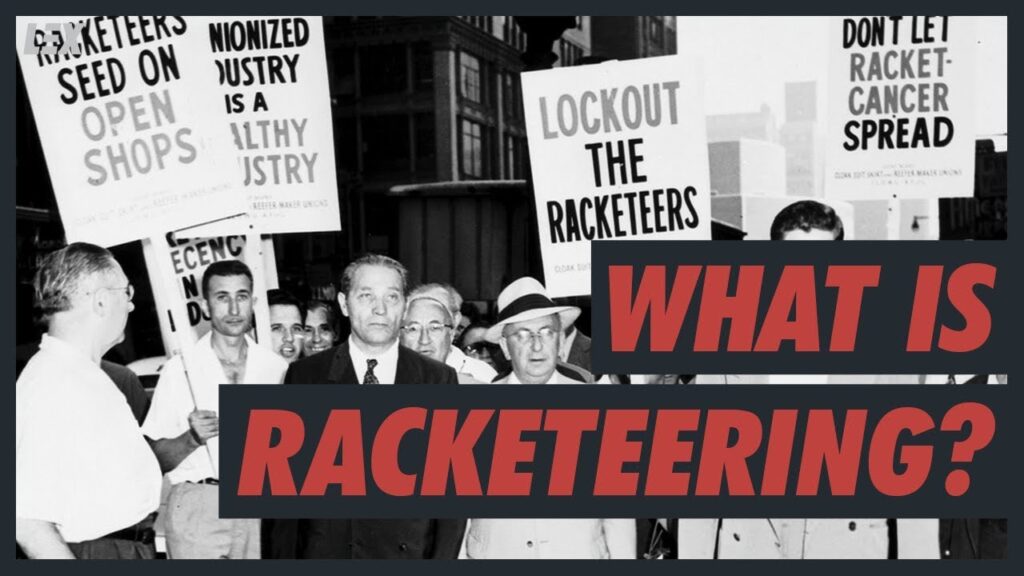
Racketeering is generally the act of acquiring businesses, revenue or proceeds through illegal activity. In particular, it often involves using a business to commit illegal acts like fraudulently billing an insurance plan or filing false insurance claims.
It can also involve using a business to “clean” illegally derived income. Organized groups that deal in prohibited trades or businesses may be known as rackets. They may further divert funds towards illegal industries such as counterfeiting, cyber extortion, and more.
RICO or the Racketeer Influenced and Corrupt Organizations Act enlists more than 30 crimes at federal and state levels, including money laundering, extortion, bribery, embezzlement, financial and economic crimes, document fraud, human trafficking, gambling offenses, and sexual exploitation, referring as racketeering activities.
RICO is a federal law that declares it illegal to profit or manage businesses through illicit activities. It is unlawful, even indirectly, to participate or conspire to commit any wrong-doings under the RICO act. The law, however, permits law enforcement agencies to charge businesses or individuals involved in acts of racketeering. If found guilty, the accused faces imprisonment for the RICO aspect and any underlying crime that was committed as a part of the conspiracy.
In short, racketeering refers to operating a business via illegally derived income or using the company for unauthorized activities. RICO act was pass in the 1970s.
WHY CHOOSE THE KIRLEW LAW FIRM FOR YOUR RICO CASE?
At The Kirlew Law Firm, we combine deep knowledge of racketeering laws with a personalized approach to client advocacy. We understand the emotional and financial toll a RICO investigation or indictment can impose, and we work tirelessly to provide clear guidance and aggressive representation.
Our legal team includes former prosecutors and seasoned defense attorneys who understand how the government builds RICO cases. We use this insider knowledge to identify weaknesses in the prosecution’s case and build a strong defense tailored to your unique situation.
Additionally, our firm provides comprehensive support beyond legal counsel. This includes working with private investigators, forensic accountants, and other professionals to uncover evidence that may exonerate or mitigate charges against you.
COMMON TYPES OF RICO CASES IN MIAMI AND SOUTH FLORIDA
While racketeering may bring up images of traditional organized crime syndicates, in South Florida, RICO cases frequently involve a wide variety of industries and schemes. The proliferation of healthcare-related fraud, particularly surrounding pain management clinics, has become a major focus of federal prosecutors. These clinics may be accused of fraudulent billing practices, kickback schemes, or operating as fronts for illegal narcotics distribution.
Similarly, small business owners in sectors such as auto repair, pharmacies, and even restaurants may face RICO charges if prosecutors allege they participated in a larger conspiracy involving fraud, insurance scams, or money laundering. Additionally, Miami’s role as a major port and international trade hub increases the likelihood of racketeering cases involving money laundering, smuggling, and fraud connected to import/export businesses.
It’s important to note that RICO also encompasses violent crimes. Looking at recent trends, between January and April 2025, Miami-Dade County reported a 16.97% decrease in violent crimes compared to the same period in 2024. Although this decline in crime is a good thing, it does not detract from the need for experienced and skilled RICO lawyers in the area.
UNDERSTANDING THE BROAD SCOPE OF RICO’S APPLICATION
One critical aspect that defendants and their attorneys must grasp is the broad application of the RICO statute. Unlike other criminal laws that target specific acts, RICO targets patterns of illegal behavior. This means that even if a defendant was not directly involved in a violent crime or a large-scale drug operation, they could still be charged if prosecutors establish they participated in a criminal enterprise that engaged in multiple predicate offenses.
Furthermore, RICO allows for civil claims in addition to criminal prosecution. This means victims of racketeering, such as businesses or individuals harmed by fraudulent schemes, can file civil claims seeking triple damages. This civil dimension adds another layer of complexity and risk for those charged under RICO statutes.
THE COMPLEXITY OF RICO INVESTIGATIONS
RICO investigations often involve multiple law enforcement agencies working together, including the FBI, DEA, IRS, and state prosecutors. These investigations can span years and use a variety of tools, including wiretaps, surveillance, informants, and financial audits. Due to the complexity and breadth of evidence involved, many individuals initially unaware of their implications may be drawn into a RICO case.
PROSECUTING RACKETEERS USING RICO
RICO is not a specific crime. Prosecutors can charge you via the RICO act if:
- A criminal enterprise existed
- The enterprise affected interstate commerce
- The defendant was associated with or employed by the enterprise
- The defendant engaged in a pattern of racketeering activity
- The defendant participated in at least two acts of racketeering activity
If convicted under the RICO act, the accused can face:
- Hefty fines ($10,000 or more)
- A first-degree felony charge
- Up to 30 years imprisonment
- Even death sentence if a murder occurred during the commission of the conspiracy
Federal crimes are usually sentenced longer and more strictly compared to those imposed for state-level frauds. Having a knowledgeable racketeering attorney by your side is essential to fight for your rights and help you throughout the process. We will be able to explain the complexities of your case and possibly get your charges dismissed, charges reduced or even obtain an acquittal at trial.
POTENTIAL CONSEQUENCES OF A RICO CONVICTION
Beyond the immediate penalties like imprisonment and fines, a RICO conviction can have devastating collateral consequences. These may include forfeiture of assets linked to illegal activities, loss of professional licenses, damage to personal and business reputations, and long-term barriers to employment.
For business owners, a RICO conviction can lead to the collapse of their enterprise, significant financial loss, and permanent exclusion from certain industries.
Moreover, RICO convictions often carry mandatory minimum sentences, limiting a judge’s discretion in sentencing. This underscores the importance of a vigorous defense to seek reductions or dismissals wherever possible.
DEFENSES TO RACKETEERING CHARGES
Defending racketeering charges under RICO can be very challenging and complicated. So, working with our smart and skilled defense lawyers can help you navigate your legal rights. There are various defenses available depending upon the indictment.
First of all, is a lack of knowledge of the conspiracy and that the parties were engaged in legal activity. Other potential defenses may include withdrawal from the conspiracy or a lack of predicated acts within the conspiracy.
AN EFFECTIVE STRATEGY
Effective defense strategies may include attacking the government’s evidence on several fronts. This could mean arguing that the government has not proven the existence of a criminal enterprise, that the defendant did not have the required association or participation, or that the alleged predicate acts were not proven beyond a reasonable doubt.
Contact Us Today for a Phone Consultation
We’ll set up a phone consultation to get to know you and your circumstances.
In some cases, demonstrating that the defendant withdrew from the conspiracy or was coerced into participation can also be a viable defense. Another strategy might involve negotiating with prosecutors for reduced charges or plea agreements that minimize exposure to the harshest penalties.
If you are under a federal or state investigation, our racketeering defense attorney Brian Kirlew, Esq. can answer your questions concerning your charges, rights, and defenses.

FAQs
Q: How Hard Is It to Beat a RICO Case?
A: Beating a RICO case is extremely challenging due to the broad scope of the law and the extensive resources prosecutors dedicate to these cases. Prosecutors often use years of evidence, including wiretaps, informants, and financial records, to build their case. The government only needs to prove a pattern of racketeering activity, not each individual act. Strong legal defense and early intervention are crucial to overcoming these complex charges.
Q: How Much Do You Get for a RICO Charge?
A: A RICO charge carries severe penalties. If convicted, individuals may face up to twenty years in federal prison per racketeering count, and in some cases, even life imprisonment. Fines can reach hundreds of thousands of dollars or twice the amount gained from the criminal activity. Additionally, the government may seize assets tied to the alleged crimes.
Sentencing depends on the specific offenses involved, criminal history, and whether violence or financial fraud played a role in the racketeering scheme.
Q: How Long Does It Take to Go Through a RICO Trial?
A: A RICO trial can take a long time to complete. The process often begins with an extensive investigation, followed by pre-trial motions, discovery, and jury selection. Once the trial starts, it may involve complex testimony, professional witnesses, and large amounts of evidence.
Because RICO cases usually target organized crime or multiple defendants, they tend to be lengthy and intricate. Sentencing, if there is a conviction, also adds additional time to the overall legal process.
Q: How Much Is a Lawyer in Miami?
A: The cost of hiring a lawyer in Miami varies depending on the type of case, the lawyer’s experience, and the complexity of the legal matter. Criminal defense, family law, and personal injury cases all carry different fee structures. Some attorneys charge flat fees, while others bill by the hour or take a percentage of a settlement. Consultations are sometimes free, but not always. It’s important to discuss fees upfront and get a clear understanding of all potential costs.
CONTACT OUR EXPERIENCED MIAMI RACKETEERING (RICO) ATTORNEY TODAY
If you are under investigation for any organized crime, including racketeering and money laundering contact Brian Kirlew, Esq. immediately. We have a proven track record representing people accused in racketeering cases. Contact us at The Kirlew Law Firm to understand your way forward. All our consultations are free and confidential. Fill in this online contact form to schedule a free initial phone consultation or give us a call at (305) 521-0484 to learn how we can assist you with your case.
This form of white-collar crime is increasingly common as more people use computers, phones, and other internet-enabled devices to commit acts of fraud, hacking, extortion, and theft.
Thieves take personal information to access banking and financial accounts, make purchases, open utility accounts, or steal tax refunds. In some cases, an identity thief may even use a false identity during an arrest.
This white-collar crime occurs when a thrift utilizes a stolen credit card or other information from that account to make unauthorized purchases. In some cases, they may use the stolen information to take out cash advances against the account.
The illicit selling of fake goods or services over the phone. Many phone scams are framed as a giveaway, or free offer in exchange for sensitive information, like access to banking or credit card accounts.
Often paired with another form of fraud, bankruptcy fraud can be the concealment of assets to prevent forfeiting them, filing incomplete or false forms, filing multiple times in different locations using fake or forged documents, and bribing of court-appointed trustees.
Largely committed by organized crime groups, this form of fraud includes performing unnecessary procedures to bill an insurance company, billing for services that were never rendered, and billing every step of one procedure as if they were individual procedures.
Environmental law makes actions like the illegal disposal of waste, improper storage of hazardous materials, or failure to comply with EPA and state regulations illegal.
An act committed to defraud an insurance company is considered a white-collar crime. This could include attempting to obtain benefits or advantages that an individual is not entitled to or when an insurer denies benefits that someone is due.
One of the most common forms of fraud, mail fraud is when the USPS or private carrier is used to commit a crime of deceit. This could be to obtain money or to sell and distribute illicit goods.
These forms of fraud start with a scheme to steal or obtain financial information by using false representation or promises of goods and services in return.
Crimes committed through extortion and coercion are considered racketeering. Generally, a racketeer obtains money or goods from someone using intimidation tactics or force.
Largely connected to federal government contracting or federally-funded programs, government fraud might involve public housing, agricultural programs, corporate subsidies, and bribery.
This form of white-collar crime is the deliberate failure to pay your taxes or the underpayment of the taxes you owe. It can be underreporting of income, overreporting of deductions, or improperly claiming tax credits and exemptions.
Also called investment fraud, securities fraud involves misrepresenting the information that investors use to make financial decisions.
This is the trading of the stock or securities of a public company that is based on non-public information about the company. This is the profiteering of information based on a company’s assets.
A bribe is the giving or receiving of something of value in order to influence the actions of another person or group.
The major focus of the FBI, public corruption covers a variety of crimes, including the violation of federal law by public officials, fraud related to the procurement, contracts, and funding of federal programs, and other crimes that are related to local, state, and federal governments.
By withholding assets, funds, or goods from an employer or business partner, you are committing an act of embezzlement.
Generally sponsored by foreign entities or outside corporations, economic espionage can target the U.S. government, U.S. companies, or other establishments and institutions. Economic espionage is the unlawful obtaining of financial information.
Trade secrets are the information or assets that give a company an advantage over others in the market. The theft of these assets is when someone uses this information without consent of the business.
Contact a Miami White Collar Criminal Attorney today!
If you are being investigated for a White Collar crime at the state or federal level (or both), the sooner you get a qualified attorney on your side to protect your rights, the better. Brian Kirlew, Esq. is experienced and skilled at handling these complex and sensitive matters, and is here to represent you in court. Our criminal defense attorneys in Miami are proud to offer you a phone consultation to ensure that we can best serve you. Contact us immediately to get started.

Committed to aggressive, personalized legal representation for criminal defense, white collar, federal, and family law matters throughout Florida since 2012.
Ft. Lauderdale Satellite Office
888 S. Andrews Ave
Suite 201
Fort Lauderdale, FL 33316
© 2026 The Kirlew Law Firm, PLLC · 2103 Coral Way, Suite 401, Miami, FL 33145
Disclaimer | Site Map | Privacy Policy. Digital Marketing By: 
*Images are obtained under license from Canva and other third-party stock image providers, with attribution included where required.